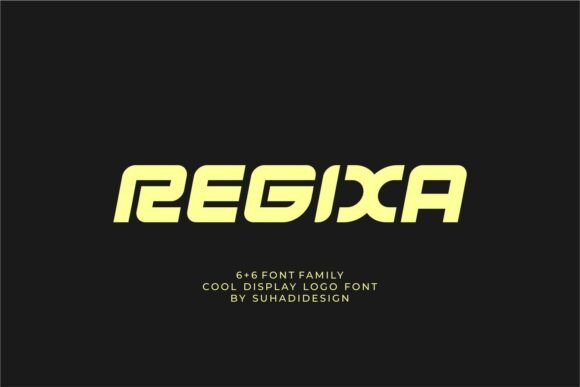
Regixa Normal: A Bold Display Typeface for Futuristic Branding
I remember staring at a blank Figma file, the cursor blinking on an empty artboard. The client wanted a visual identity that felt bold and stylish, yet remained accessible enough for everyday consumer engagement. They were launching a tech-forward lifestyle brand, something that sat comfortably between futuristic innovation and modern minimalism. Most typefaces I pulled from my library felt either too corporate or too decorative. Then I dragged in Regixa Normal. It wasn’t just another font; it was the missing piece of the puzzle.
This experience highlights why Regixa Normal has become a staple in my workflow for high-impact projects. As a display typeface, it offers a distinct geometric personality that commands attention without sacrificing readability. In this breakdown, I’ll walk you through how I integrated this font into a real-world branding project, exploring its unique curves, sharp angles, and the specific use cases where it truly shines.
Why Regixa Normal Excels in Modern Logo Design
When you first load Regixa Normal into your design software, the immediate impression is one of precision. This typeface is engineered with clean curves and sharp angles that create a sense of forward momentum. For any designer working on logo design, these characteristics are invaluable. A logo needs to be scalable, memorable, and distinctive, and Regixa delivers on all three fronts.
In my recent project, we were tasked with creating a mark for a digital agency. We needed a wordmark that looked equally at home on a dark-mode website header as it did on a white business card. Standard sans-serifs often feel too safe, while overly stylized fonts can limit application. Regixa Normal struck the perfect balance. Its unique geometric character shapes give it a "futuristic" edge, which aligns perfectly with brands positioning themselves as innovative or tech-centric. When testing the font at small sizes, the legibility remains intact, but at large display sizes, the geometric cuts add a layer of sophistication that elevates the entire brand perception.
- Geometric Precision: The uniform stroke weights and sharp terminals provide a structured look ideal for tech and automotive industries.
- Scalability: Works effectively from favicon sizes up to billboard dimensions.
- Modern Appeal: The sleek aesthetic reduces visual clutter, allowing the logo to stand out in crowded marketplaces.
Using Regixa Normal for Packaging Design and Product Labels
One of the most challenging aspects of packaging design is balancing aesthetics with shelf impact. You need typography that grabs attention from a distance but also feels premium upon closer inspection. This is where Regixa Normal proves its worth as a versatile display tool. Unlike traditional serif fonts that might feel vintage, or handwritten scripts that feel casual, this font carries an air of contemporary luxury.
I recently applied Regixa Normal to a series of minimalist skincare labels. The client wanted to move away from the typical organic, earthy aesthetic and instead position their products as scientifically formulated yet elegant. By using the font in bold uppercase for the product name and lighter weights for the ingredient list, we created a striking visual hierarchy. The sharp angles of the letters contrasted beautifully with the soft, matte texture of the packaging material. This juxtaposition made the product look high-end and trustworthy. If you are designing for cosmetics, electronics, or premium food products, considering how Regixa Normal interacts with different materials can significantly enhance your brand identity.
- Contrast Creation: Pair the bold display weight with delicate imagery to create visual tension.
- Shelf Presence: The geometric forms ensure the text is readable even when printed on curved surfaces.
- Premium Perception: The clean lines communicate professionalism and quality control.
Regixa Normal for Social Media Graphics and Digital Headers
In the digital realm, attention spans are short. Your social media graphics and website headers have mere seconds to communicate your message. This is why using a creative font like Regixa Normal is essential for cutting through the noise. Its bold presence ensures that headlines are read instantly, while its stylish nature keeps the user engaged.
For a creative studio portfolio site, I utilized Regixa Normal for the hero section headings. The goal was to make a strong first impression before the user scrolled further down the page. The font’s futuristic vibe complemented the abstract 3D visuals we were using, creating a cohesive narrative across the platform. When paired with ample negative space, the font allows the content to breathe, preventing the design from feeling cluttered. For Instagram posts or LinkedIn banners, using Regixa Normal as an accent font over solid color backgrounds creates a professional and consistent look that reinforces brand recognition.
Font Pairing Strategies with Regixa Normal
A common question among designers is how to pair a strong display typeface like Regixa Normal with body text. Because Regixa is so visually dominant, it works best when paired with neutral, highly readable typefaces. I typically recommend pairing it with a simple sans serif font for body copy, such as Inter or Roboto, to maintain a modern and clean aesthetic. Alternatively, if you want to introduce a touch of elegance, a classic serif font can work well, provided the serif is subtle and not overly decorative.
It is generally advisable to avoid pairing Regixa with other geometric or highly stylized fonts, as this can create visual competition. The key is to let Regixa Normal be the star. Use it for headlines, quotes, and key messaging, and let the supporting typeface handle the detailed information. This strategy ensures that your brand identity remains clear and focused. When designing marketing materials, such as flyers or brochures, this hierarchy helps guide the reader’s eye naturally from the main hook to the call to action.
Technical Considerations for Commercial Font Licensing
Before integrating Regixa Normal into your final deliverables, it is crucial to review the technical specifications and licensing terms. As a premium font, understanding what is included in the package is vital for commercial projects. Check for available weights, alternate characters, and ligatures that might enhance your design flexibility. Additionally, verify the scope of the commercial font license to ensure it covers your intended use cases, whether that is web embedding, print runs, or merchandise.
Proper licensing protects both you and your client from legal issues. Many designers overlook this step, assuming that a standard license covers all digital uses. However, some fonts require separate licenses for e-commerce or app development. By confirming these details upfront, you demonstrate professionalism and reliability. When clients see that you have thoughtfully selected a high-quality typeface like Regixa Normal and handled the legalities correctly, it builds trust and justifies the value of your design services.
Final Recommendations for Implementing Regixa Normal
Integrating Regixa Normal into your next project requires more than just dragging and dropping the text. It demands a strategic approach to layout, spacing, and context. Start by creating a mini style guide for your client, showing how the font behaves in different scenarios. Test it on various backgrounds, including images and gradients, to ensure contrast and readability are maintained. Pay close attention to kerning and tracking; geometric fonts often benefit from slightly increased letter spacing to enhance their airy, futuristic feel.
Ultimately, Regixa Normal is more than just a collection of glyphs; it is a powerful tool for shaping brand perception. Whether you are designing a startup logo, a product label, or a digital campaign, this display typeface offers the boldness and style needed to make a lasting impression. By treating it with the respect it deserves—through careful pairing, proper licensing, and thoughtful application—you can elevate your design assets and create work that stands out in today’s competitive landscape.