Blue Sticky: A Tall, Quirky Display Font for Playful Branding
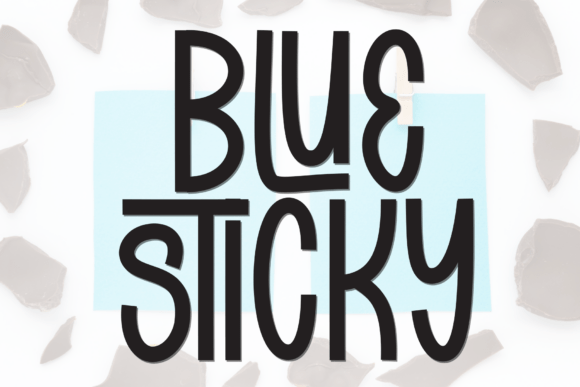
I opened a blank Figma file at 2 PM on a Tuesday, staring down the barrel of a rebrand for a local artisanal bakery. The brief was simple but tricky: they wanted to move away from their old-fashioned, overly formal serif logo and embrace something that felt "handmade but modern." I needed a typeface that could command attention without shouting. That’s when I pulled up Blue Sticky. It’s not just another decorative asset; it is a tall, quirky display font that combines bold lines with playful personality. Its hand-drawn aesthetic and irregular strokes give it a casual, creative feel, perfect for fun headlines, and after spending the afternoon testing it across various mockups, I realized this might be the missing piece in my toolkit.
Blue Sticky as a Bold Headline Typeface for Bakery Packaging
When you first load Blue Sticky into your design software, the immediate visual impact is its height. Unlike many rounded or bubbly display fonts that spread horizontally, Blue Sticky stretches vertically, creating a sleek yet whimsical silhouette. I started by dropping the font onto a mockup of a flour sack packaging label. The irregular strokes caught the light beautifully in the render, mimicking the texture of stamped ink on rough paper. This verticality makes it exceptionally effective for packaging design, where shelf presence matters. The font’s natural quirkiness aligns perfectly with brands that want to signal craftsmanship and approachability. For a boutique identity project like this bakery, using Blue Sticky allowed me to create a hierarchy that felt organic rather than rigid. It doesn’t try too hard to be cute; instead, it relies on structural integrity and character to stand out among competitors.
Why Blue Sticky Works for Handmade Shop Branding
The term "display" in typography usually means "use sparingly," and Blue Sticky adheres to this rule strictly. It is not designed for body text, nor should it be used for long-form editorial content. However, for short phrases, single-word logos, or accent titles, it shines. In my test, I applied it to a business card layout for a freelance illustrator. The contrast between the thick, sticky-looking terminals and the clean white space created an instant focal point. The font’s personality does the heavy lifting here, reducing the need for excessive graphic elements. If you are a crafter, hobbyist, or small business owner looking to establish a memorable brand identity, Blue Sticky offers a shortcut to visual distinctiveness. It communicates creativity before the viewer even reads the tagline.
Blue Sticky for Social Media Graphics and Digital Headers
Modern branding isn't confined to print. I took the same bakery concept and tested Blue Sticky on Instagram story templates and website hero banners. On digital screens, the tall proportions of the letters help guide the eye downward, which is ideal for call-to-action buttons or promotional headers. The irregular strokes add a layer of warmth that often gets lost in pixel-perfect sans serif fonts. When paired with a clean sans serif font for secondary information, Blue Sticky anchors the composition. This pairing strategy is crucial for maintaining readability while keeping the design fun. For marketers and content creators, this versatility means one font can drive both brand recognition and user engagement across platforms.
Pairing Blue Sticky with Modern Typography Systems
To get the most out of Blue Sticky, you need to balance its energy. Because it is such a strong voice, it works best when supported by quieter typefaces. I found that pairing it with a neutral geometric sans serif (like Montserrat or Lato) creates a harmonious tension. The sans serif handles the legibility requirements, while Blue Sticky provides the emotional hook. Alternatively, for a more vintage-inspired look, a delicate script font can complement the hand-drawn aesthetic if used sparingly for signatures or subheads. Avoid pairing it with other display fonts, as the competition for attention will clutter the design. The goal is to let Blue Sticky be the star of the show, not part of a crowded cast.
Blue Sticky Limitations in Corporate and Formal Design Contexts
No font is a silver bullet, and Blue Sticky has clear boundaries. Its hand-drawn nature and informal tone make it unsuitable for formal corporate communications, legal documents, or high-end luxury branding where restraint is key. If you are designing for a law firm or a medical clinic, Blue Sticky would undermine the necessary perception of authority and precision. Similarly, due to its decorative weight, it loses legibility at small sizes. Testing it at 10pt revealed that the irregular edges blur together, making it a poor choice for footers or fine print. Always remember that this is a creative font meant for impact, not endurance. Use it for posters, flyers, event signage, and product labels where size and context allow its personality to breathe.
Testing Blue Sticky Before Final Client Delivery
Before committing to Blue Sticky for any final client work, rigorous testing is essential. I recommend exporting your designs in grayscale to ensure the font’s structure holds up without color support. Check how it renders on different backgrounds, especially busy patterns common in packaging design. Also, verify the included styles, alternates, and ligatures if available in your specific license package. These features can add unique touches that elevate a standard layout into a custom design. Ensure the font files are properly installed and that you have the correct commercial font licensing for your intended use, whether that involves merchandise, digital products, or print-on-demand services. Understanding the technical specifications prevents headaches during production.
Blue Sticky Value for Freelancers and Creative Studios
For freelancers and creative studios, having access to distinctive typefaces like Blue Sticky expands the range of projects you can accept. It opens doors in the lifestyle, food, and entertainment sectors where personality is paramount. Instead of relying on stock imagery alone, you can leverage typography to tell the brand story. The font’s ability to convey "fun" and "casual" helps clients connect with younger demographics who value authenticity. By integrating Blue Sticky into your design assets library, you offer a cohesive solution that saves time and enhances visual appeal. It’s a practical tool for solving specific branding problems, particularly when a client wants to appear friendly and accessible without sacrificing professional quality.
Final Practical Tips for Using Blue Sticky
Keep spacing generous. Display fonts often require slightly increased tracking to maintain their airy, hand-drawn charm. Tight kerning can make the irregular strokes feel cramped and muddy. Experiment with case settings; all-caps usage often emphasizes the tall structure, while title case highlights the individual character quirks. Finally, always review the license agreement. While Blue Sticky is excellent for personal projects and commercial client work under the right terms, understanding the scope of usage ensures compliance and protects your business. When used correctly, Blue Sticky is more than just a font; it is a strategic element that brings life to static designs.