Creative Sunshine Display Font for Modern Web Design
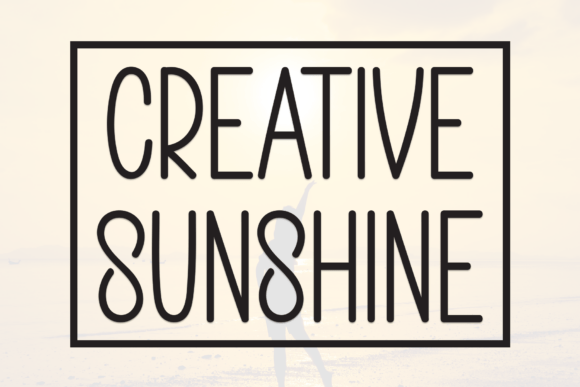
I was staring at a blank hero section on a client’s boutique coaching website, trying to balance professionalism with approachability. The brief asked for something warm but not childish, friendly but not unprofessional. That’s when I pulled up Creative Sunshine. It wasn’t just another script font; it felt like a handshake in typography form. As a web designer who tests hundreds of typefaces, I’ve learned that the right Display font can make or break a user’s first impression. This handwritten style is as sweet as sugar and as friendly as a welcoming smile, making it an ideal candidate for brands that want to radiate positivity without sacrificing clarity.
In this article, I’ll walk you through how I integrated Creative Sunshine into a real-world digital layout, what worked, what didn’t, and how you can use these insights to enhance your own online brand experience. If you are looking for Fonts that add personality to landing pages, course sales sites, or portfolio headers, read on to see why this specific typeface deserves a spot in your design toolkit.
Why Creative Sunshine Elevates Landing Page Headers
When designing a high-converting landing page, the headline is your only chance to hook the visitor. Generic sans-serifs often feel cold, while overly complex scripts can become illegible noise. Creative Sunshine strikes a perfect middle ground. Its adorable and lively style draws the eye immediately, creating a sense of curiosity and warmth. In my recent project for a digital product creator, I used this font for the main H1 tag. The result was a header that felt personal and inviting, encouraging users to scroll further rather than bounce immediately.
The key here is context. This font shines when used for short phrases, titles, or call-to-action accents. It is not designed for long paragraphs of body copy, which is a common mistake designers make with decorative typefaces. By reserving Creative Sunshine for strategic moments—like the hero banner or section dividers—you create a visual hierarchy that guides the user’s journey naturally. The font’s natural curves mimic human handwriting, which subconsciously builds trust and rapport with the reader. For online store owners and course creators, this subtle psychological boost can translate into higher engagement rates, as visitors feel they are interacting with a real person, not a faceless corporation.
Pairing Creative Sunshine with Clean Sans Serifs for Readability
One of the biggest challenges with any handwritten display font is maintaining readability across different devices. To solve this, I paired Creative Sunshine with a clean, geometric sans-serif for all supporting text. This contrast is crucial for modern web design. While the display font captures attention, the sans-serif ensures that information is consumed quickly and effortlessly. This combination allows the brand identity to remain distinct while keeping the user experience (UX) smooth and frictionless.
For example, on a portfolio homepage redesign, I used Creative Sunshine for project titles and category labels, while using a lightweight sans-serif for descriptions and navigation menus. This approach prevents visual fatigue. When scanning a webpage, users look for patterns. The consistent pairing of the playful header font with the structured body font creates a rhythm that is easy on the eyes. It also helps in establishing a professional tone. A brand can appear creative and innovative without looking disorganized. This balance is essential for SaaS founders and marketers who need to convey reliability alongside creativity. Always test your font pairings on mobile screens, where space is limited and legibility is paramount.
Best Practices for Mobile Responsive Layouts
Mobile optimization is non-negotiable in today’s digital landscape. Decorative fonts like Creative Sunshine can lose their charm if scaled down incorrectly. During my testing, I found that reducing the font size too much made the letters merge, turning a charming headline into an unreadable blob. To avoid this, I kept the font size generous on desktop and adjusted it carefully for mobile breakpoints. Using relative units like rem or vw helped maintain proportionality across viewports.
- Adequate Line Height: Handwritten fonts often have ascenders and descenders that extend beyond the baseline. Increasing line height prevents characters from colliding, especially on smaller screens.
- Contrast Checks: Ensure there is sufficient contrast between the font color and the background. On light backgrounds, a dark charcoal works best. On image overlays, use a semi-transparent box behind the text to ensure the Creative Sunshine remains legible against busy visuals.
- Letter Spacing: Slightly increasing letter spacing can improve readability for display text, giving each character room to breathe.
Using Creative Sunshine for Digital Brand Kits and Social Media
Beyond the website itself, Creative Sunshine extends beautifully into broader digital assets. For bloggers, marketers, and entrepreneurs, consistency across platforms is key to building a recognizable brand identity. I used the same font for social media graphics, email newsletter headers, and digital ad creatives. The font’s "sweet as sugar" aesthetic resonated well with audiences in the lifestyle, wellness, and creative niches.
When creating a digital brand kit, having a versatile display font allows for flexibility. You can use it for promotional banners, sale announcements, or testimonial quotes. Its lively style adds energy to static images, making them stand out in crowded social feeds. However, it is important to remember that this is a Display font, meaning it is meant to be seen, not read in bulk. Use it for headlines, logos, and short slogans. For longer content, stick to your primary body font. This discipline ensures that your brand voice remains clear and impactful everywhere it appears.
Technical Considerations for Web Implementation
Before downloading and implementing any premium font, check the licensing terms carefully. Most commercial fonts require a webfont license for use on websites. Ensure that the package includes the necessary file formats, such as WOFF2, which offers the best compression and loading speed for modern browsers. Some packages may include alternate glyphs or ligatures that enhance the typographic flavor—make sure to explore these features during development.
Additionally, consider the weight options available. If Creative Sunshine comes in multiple weights, you can use lighter versions for subtle accents and bolder versions for main headlines. This variation adds depth to your design without introducing new typefaces. For projects requiring multilingual support, verify that the font supports the specific character sets you need, such as accented characters for European languages. Proper preparation ensures a seamless launch and avoids last-minute design compromises.
Final Thoughts on Integrating Personality into Web Design
Incorporating Creative Sunshine into a web project is more than just picking a pretty font; it is about curating an emotional response from your visitors. By using this handwritten display font strategically, you can transform a standard template into a unique, memorable brand experience. Whether you are designing a boutique online store, a coaching website, or a creative portfolio, the right typography sets the stage for success. Test it in your next project, pay attention to readability and pairing, and watch how it elevates your overall design quality. For designers seeking fonts that combine charm with functionality, this typeface is a valuable addition to any professional arsenal.