Darkmist: The Edgy Display Font for Bold Editorial Design
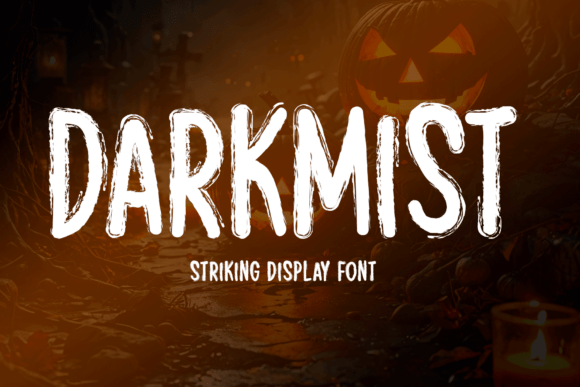
I was staring at a blank canvas, trying to finalize the header for a new digital magazine layout, when I realized my usual go-to typefaces felt too safe. The project was a lifestyle and wellness guide, but it needed an edge—something that commanded attention without screaming for it. That was the moment I decided to test Darkmist, a display font designed to capture attention with its unique and edgy style. As I began dragging the glyphs into my design software, I found myself drawn not just by its aesthetic appeal, but by how seamlessly it integrated into various creative projects, including stationery, logos, t-shirts, print materials, and web headers.
This article is a deep dive into my experience using Darkmist in a real-world editorial context. If you are a publisher, blogger, or designer looking to elevate your visual hierarchy, this review will help you understand whether this specific typeface fits your brand identity and content strategy.
Darkmist for Digital Magazine Headers and Blog Titles
When designing for the screen, first impressions are everything. Darkmist immediately establishes authority on a webpage or blog post. In my recent project, I used it for the main title of a feature article about modern interior design trends. The font’s distinct character provided a sharp contrast against the clean, minimalist background, ensuring the headline popped on both desktop and mobile views. Unlike standard serif fonts that can sometimes blend into busy layouts, this display font offers a graphical quality that works as much as text as it does as an image.
The key advantage here is visual rhythm. Because Darkmist is a display font, it is best utilized for short bursts of text. When applied to blog titles or section headings, it creates a strong focal point that guides the reader’s eye down the page. It captures attention with its unique and edgy style, making it ideal for creators who want their content to feel premium and curated rather than generic. For newsletter writers and independent publishers, using such a distinctive typeface helps build immediate brand recognition across different platforms.
Darkmist for Printable Planners and Workbook Covers
One of the most profitable areas for digital product creators is the market for printable planners, coaching workbooks, and educational PDFs. These products rely heavily on cover design to drive sales. I tested Darkmist on the cover of a sample coaching workbook, pairing it with a solid, dark background. The result was striking. The font’s bold presence conveyed professionalism and strength, qualities that resonate with audiences seeking structured guidance.
Because Darkmist works seamlessly across various creative projects, including stationery and print materials, it translates beautifully from digital mockups to physical prints. When designing for print, resolution and kerning become critical. I found that the spacing in Darkmist was well-calibrated, preventing awkward gaps even at larger sizes. This makes it a reliable choice for packaging design or product labels where legibility and aesthetics must coexist. For sellers on platforms like Etsy or Gumroad, having a cohesive typographic identity that looks good on both screens and paper is essential for maintaining a professional brand image.
Pairing Darkmist with Readable Body Fonts
A common mistake designers make is overusing display fonts. While Darkmist is powerful for headlines, it is not intended for long-form body copy. To create a balanced editorial layout, it is crucial to pair it with a highly readable serif or sans serif font. In my magazine layout, I paired Darkmist for all H1 and H2 headings with a classic serif font for the paragraph text. This combination leverages the strengths of both: the display font grabs attention and sets the mood, while the body font ensures comfortable reading over extended periods.
This approach supports visual hierarchy effectively. Readers scan content before they read it; the distinctive look of Darkmist allows them to quickly identify sections, pull quotes, and key takeaways. Meanwhile, the neutral body text reduces cognitive load, allowing the content itself to shine. For course creators and ebook authors, this distinction is vital. You want your chapter titles to stand out (using Darkmist), but your instructional text to remain invisible so the information flows naturally. Using a clean sans serif font for captions and navigation further enhances this clarity, creating a modern typography system that feels organized and intentional.
Darkmist for Brand Identity and Logo Design
Beyond editorial design, Darkmist has significant potential for branding. Its unique and edgy style makes it suitable for logo design, particularly for businesses that want to convey sophistication with a twist. I experimented with using the font for a fictional boutique coffee brand, applying it to a simple circular badge. The letters held up well under simplification, retaining their character even when reduced in size.
However, when using a display font for logos, one must consider versatility. Does the font have enough weight variations? Does it support the necessary punctuation? Before incorporating Darkmist into a permanent brand identity, it is wise to check the included styles and alternates. A robust font family will offer multiple weights, ensuring you have options for subheads, taglines, and legal disclaimers. Additionally, verifying multilingual support is important if your brand targets a global audience. Ensuring the file formats are compatible with vector editing software like Adobe Illustrator will also save time during the logo refinement process.
Practical Considerations for Commercial Use
As a designer, understanding the licensing terms of any typeface is non-negotiable. Darkmist is a commercial font, meaning its use in client publications, paid newsletters, or digital downloads requires appropriate licensing. Always review the end-user license agreement (EULA) to understand the scope of usage. Some licenses allow for unlimited web usage, while others may restrict the number of monthly page views or require separate licenses for print runs.
For bloggers and content creators, the cost of a commercial font is often justified by the elevated quality it brings to the site. A premium font signals to your audience that you value detail and professionalism. It elevates your content from amateur to expert status. When you invest in high-quality design assets, you are investing in your brand’s perceived value. Whether you are designing social media graphics, email templates, or full-scale editorial features, having access to a versatile display font like Darkmist provides a competitive edge.
Finalizing Your Typography Stack
In conclusion, finding the right font is about more than just picking something that looks cool; it is about solving communication problems. Darkmist solved my problem of creating a header that felt both modern and authoritative. It works seamlessly across various creative projects, including stationery, logos, t-shirts, print materials, and digital interfaces. By using it strategically for headlines and decorative accents, and pairing it with functional body fonts, you can create a reading experience that is visually engaging and easy to digest.
If you are looking to refresh your blog’s aesthetic, redesign your ebook covers, or simply add a touch of edgy elegance to your next creative project, testing Darkmist is a worthwhile step. It offers the kind of distinctive personality that helps brands stand out in a crowded digital landscape. Remember to check the technical details—weights, ligatures, and support—before committing, but be prepared to fall in love with the impact it can have on your design.