Grading Game Typeface Review: A Soft Display Font for Editorial Design
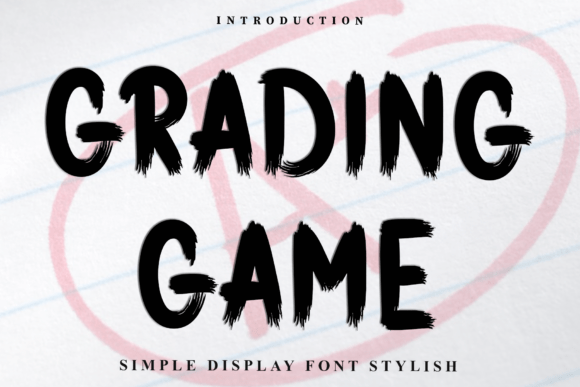
I remember sitting at my desk, staring at a blank Figma canvas, trying to find the right visual anchor for a new lifestyle newsletter. The content was solid—thoughtful essays on slow living and mindful routines—but the typography felt flat. It lacked that distinct, hand-crafted warmth that makes a reader pause and linger. That was the moment I decided to test Grading Game, a typeface described as a beautiful and eye-catching font designed with a soft, unique touch. What started as a quick experiment in header design quickly turned into a deeper appreciation for how this display font can elevate editorial identity without sacrificing readability.
In the world of digital publishing and print-on-demand products, the difference between a generic template and a premium publication often comes down to one thing: character. Fonts are not just vehicles for text; they are the voice of your brand. When you select a font like Grading Game, you are choosing a specific mood—one that feels approachable yet sophisticated. This review explores how this versatile typeface performs in real-world layouts, from blog headers to downloadable worksheets, and why its distinctive strokes make it a valuable asset for modern creators.
Grading Game for Blog Headers and Newsletter Graphics
The first place I tested Grading Game was in the header section of a weekly creator newsletter. Newsletters compete for attention in crowded inboxes, so the subject line and preview text need to feel personal and inviting. Because Grading Game is a beautiful and eye-catching font designed with a soft, unique touch, it immediately softened the visual tone of the email. Unlike rigid geometric sans serifs or overly formal serif fonts, Grading Game offers a humanist quality that mimics the rhythm of thoughtful handwriting without being difficult to read.
For bloggers and independent publishers, using a display font in headers allows you to establish a consistent brand identity across all platforms. When I applied Grading Game to the main title of the newsletter graphic, it provided enough visual weight to stand out against busy background images. However, because it is classified under Display fonts, it shines brightest when used in larger sizes. In my testing, keeping the headline size above 32 pixels ensured that the subtle curves and distinctive strokes remained legible on mobile devices. This is crucial for today’s readers who consume content primarily on smartphones. By reserving Grading Game for titles and subheaders, we maintained a clear visual hierarchy, guiding the eye naturally toward the body copy below.
Grading Game in Digital Magazines and Ebook Covers
One of the most compelling use cases for Grading Game is in the realm of digital magazines and ebook covers. These formats require typography that can convey emotion instantly. The product description notes that its distinctive strokes give it a special character, making it meaningful and versatile for future use. I found this particularly true when designing a cover for a short-form ebook on creative journaling. The soft edges of the letters prevented the design from feeling too corporate or sterile, instead evoking a sense of creativity and calm.
When working with Fonts for cover design, contrast is key. I paired Grading Game with a clean, minimal sans serif font for the subtitle and author name. This combination allowed the display font to take center stage while ensuring that secondary information remained crisp and easy to scan. The versatility of Grading Game means it can adapt to various niches, from wellness and coaching to travel and photography. Its ability to carry a "soft" aesthetic without looking childish or unprofessional makes it an excellent choice for brands aiming for a modern, refined look. For designers building a cohesive visual system, having a display font with such a strong personality simplifies the process of creating memorable cover art that stands out in digital marketplaces.
Grading Game for Printable Planners and Coaching Workbooks
Beyond screen-based media, Grading Game proved to be a fantastic tool for physical and printable products. As the creator economy grows, so does the demand for high-quality digital downloads like planners, journals, and coaching workbooks. In these contexts, the user experience depends heavily on how pleasant the text feels to look at during long writing sessions. I used Grading Game for the section dividers and chapter openers in a printable gratitude journal. The soft, unique touch of the letterforms added a layer of elegance that made the blank pages feel more inviting.
However, there are important considerations when using expressive display fonts in longer documents. While Grading Game is versatile, it is not intended for dense body copy. Reading small paragraphs of text set entirely in a decorative typeface can cause eye strain and reduce comprehension. Instead, the best practice is to use Grading Game for structural elements: pull quotes, page numbers, chapter titles, and instructional headers. This approach respects the reader’s cognitive load while still infusing the document with brand personality. For creators selling templates on platforms like Etsy or Gumroad, offering a layout that demonstrates smart font pairing adds perceived value. Showing clients how to balance a bold display font with a highly readable serif or sans serif body font is a mark of professional editorial design.
Technical Considerations and Font Pairing Strategies
Before integrating Grading Game into any commercial project, it is essential to review the technical specifications included in the download package. Most premium display fonts come with multiple weights, stylistic alternates, and sometimes ligatures that enhance the typographic flow. Checking for multilingual support is also vital if your audience is global; ensuring that accents and special characters render correctly prevents awkward gaps in your design. Additionally, verifying the commercial license terms will protect your business when using the font in paid newsletters, client publications, or merchandise.
Effective font pairing relies on understanding the relationship between different type categories. Since Grading Game is a display font with a soft, organic feel, it pairs exceptionally well with structured, neutral typefaces. A classic serif font can ground the design for long-form articles, providing a traditional counterpoint to the modern softness of the display font. Alternatively, a geometric sans serif can create a contemporary, minimalist aesthetic suitable for tech or startup blogs. The key is to let Grading Game do the heavy lifting in terms of emotional expression, while the supporting fonts handle clarity and navigation. This division of labor ensures that your publication identity remains consistent without becoming visually overwhelming.
Why Grading Game Fits Modern Editorial Identity
In an era where digital content is abundant, standing out requires more than just good writing—it requires a thoughtful design language. Grading Game offers exactly that: a typeface that balances artistic flair with functional usability. Its distinctive strokes and soft character allow designers to inject warmth and humanity into their layouts, whether they are crafting a wedding guide, a recipe ebook, or a corporate report’s executive summary. By treating typography as a core component of your brand strategy rather than an afterthought, you create a more engaging experience for your audience.
Ultimately, the decision to use Grading Game should be driven by the mood you wish to convey. If your goal is to communicate reliability, sophistication, and a gentle approach to complex topics, this font delivers. It is not a one-size-fits-all solution, but within its niche as a soft display font, it excels. For bloggers, publishers, and designers seeking to elevate their visual communication, investing in a high-quality typeface like Grading Game is a step toward creating content that is not only read but remembered. As you explore your next design project, consider how the rhythm and personality of your chosen fonts can amplify your message and deepen the connection with your readers.