Loving Rino: The Groovy Display Font for Playful Web Design
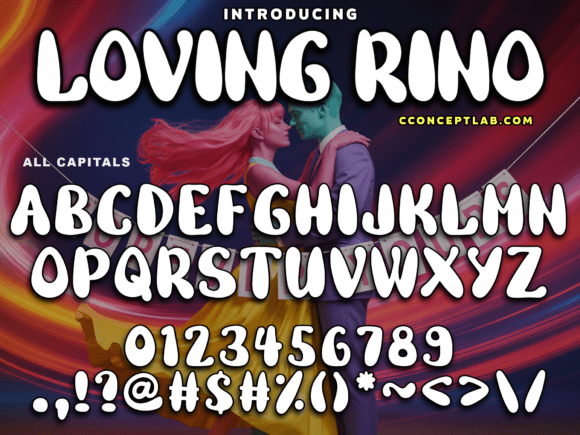
I was staring at a blank Figma file, trying to inject some personality into a new landing page for a children’s creative workshop. The layout was clean, the imagery was high-quality, but the typography felt sterile. It lacked soul. That’s when I pulled up Loving Rino, a typeface that immediately caught my eye. As a web designer who spends hours tweaking kerning and line heights, finding a font that balances whimsy with professional polish is rare. This isn't just another decorative script; it is an incredibly unique children groovy font that brings a distinct retro-modern vibe to digital interfaces without sacrificing readability.
In this project, I needed a display font that could command attention in hero sections while still feeling approachable for parents and educators browsing the site. Loving Rino delivered exactly that. Its masterfully designed curves and playful structure made it a true favorite almost instantly. By integrating this font into our visual hierarchy, we were able to elevate the entire user experience, proving that the right typeface can bring each of your creative ideas to the highest level.
Using Loving Rino for Children’s Brand Identity and Course Landing Pages
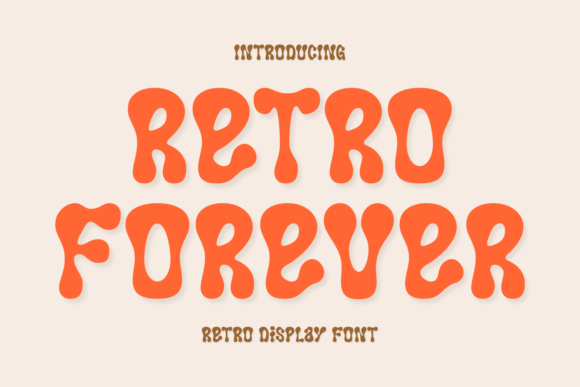
The first challenge in any digital product creation for families or education sectors is avoiding the "too childish" trap. You want fun, but you also need to convey trust and professionalism. When I tested Loving Rino on a course sales page, the results were striking. The font’s groovy aesthetic taps into a nostalgic 70s-inspired warmth that resonates well with millennial and Gen Z parents—the primary decision-makers for these products. Unlike rigid sans serifs that can feel cold, or overly complex scripts that are hard to scan, Loving Rino strikes a perfect balance.
I used the main weight for the primary headline in the hero section. On desktop, the large scale allowed the unique letterforms to shine, creating an immediate emotional connection. However, the real test came on mobile devices. Many decorative fonts break down on small screens, becoming illegible or requiring excessive zooming. Loving Rino maintained its clarity even at smaller sizes, which is crucial for keeping bounce rates low. For a boutique online store selling educational toys or art supplies, this font helps establish a brand identity that feels curated and thoughtful rather than mass-produced.
- Visual Appeal: The rounded edges and soft strokes reduce visual aggression, making the content feel safer and more inviting for young audiences.
- Brand Consistency: Using Loving Rino across headers, social media graphics, and email newsletters creates a cohesive look that reinforces brand recognition.
- Niche Targeting: It is specifically tailored for niches involving kids, creativity, play, and learning, ensuring your message lands correctly with the intended audience.
Optimizing Readability and Hierarchy with Loving Rino in Digital Layouts
One common misconception about display fonts is that they are purely decorative and should never be used for functional text. While I wouldn’t recommend setting long paragraphs in Loving Rino, its role in establishing visual hierarchy is invaluable. In web design, scanning behavior is key. Users skim before they read. A strong, distinctive heading draws the eye and guides the user down the page. When paired with a simple, neutral sans serif font for body copy, Loving Rino acts as a powerful anchor.
I experimented with placing Loving Rino over image banners with varying background colors. Because of its substantial stroke width and open counters (the spaces inside letters like 'e' or 'o'), it remained legible against both light pastel backgrounds and darker, moody overlays. This versatility is essential for modern web design, where dynamic backgrounds are common. For call-to-action (CTA) areas, using Loving Rino for short phrases like "Join the Fun" or "Start Learning" adds a layer of excitement that standard buttons lack. It transforms a mundane UI element into a branded experience.
However, accessibility must always be a priority. When using such a distinctive typeface, contrast becomes critical. I ensured that the text color had sufficient contrast against the background to meet WCAG guidelines. Additionally, I avoided using the font for small footers or legal disclaimers, reserving it for impactful moments in the user journey. This strategic placement ensures that the font remains a special feature rather than a source of fatigue.
Font Pairing Strategies for Modern Typography
To make Loving Rino work effectively in a full website design, pairing is everything. A groovy, expressive display font needs a calm, reliable partner to handle the heavy lifting of information delivery. I paired it with a geometric sans serif font for subheadings and body text. This combination works because the sans serif provides structure and neutrality, allowing the Loving Rino headlines to take center stage without competing for attention.
For a more editorial look, such as a blog redesign or a portfolio homepage, pairing with a classic serif font can create a sophisticated yet playful contrast. This mix of old and new, structured and free-flowing, creates a dynamic tension that keeps users engaged. The key is to let Loving Rino be the voice of the brand—friendly, energetic, and unique—while the supporting font ensures the content is easily digestible. This approach not only improves aesthetics but also enhances usability, as users can quickly distinguish between navigational elements, headings, and informational text.
Implementing Loving Rino Across Commercial and Creative Projects
Beyond standard websites, Loving Rino has proven versatile across various digital assets. For SaaS founders building a friendly interface for a productivity app aimed at creatives, this font can humanize the tech stack. For marketers running campaign landing pages, the font’s ability to grab attention in seconds can improve click-through rates by making the offer feel more personal and less transactional.
When integrating Display Fonts like Loving Rino into your workflow, technical considerations matter. Before launching, I checked the included styles to ensure we had enough weights for different screen sizes. I also verified the webfont availability and file formats to ensure fast loading times. Slow-loading fonts can hurt SEO and user experience, so optimizing the font files for web delivery was a necessary step. Furthermore, understanding commercial font licensing is vital. If you are using this for a client project or a monetized online store, ensuring you have the proper rights protects your business from legal issues.
The potential of Loving Rino lies in its adaptability. Whether you are designing a digital brand kit, creating promotional materials for a summer camp, or updating the header of a coaching website, this font adds a layer of character that generic typefaces simply cannot match. It invites interaction and evokes positive emotions, which are subtle but powerful drivers of conversion. By treating typography as a core component of your UX strategy rather than an afterthought, you create digital experiences that are not just seen, but felt.
Final Checks for Professional Deployment
Before finalizing the deployment, I conducted a thorough review of the font’s performance. I tested it in dark mode and light mode to ensure the curves didn’t get lost or become too harsh. I also checked how it rendered on different browsers, as some decorative fonts can exhibit rendering quirks. Loving Rino held up well across Chrome, Safari, and Firefox, which gave me confidence in recommending it for production environments. For designers looking to add a touch of retro charm without compromising on modern standards, Loving Rino is a robust choice that elevates the overall quality of your digital presence.