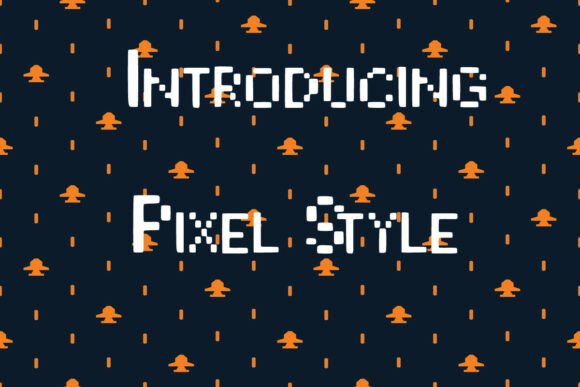
Pixel Style Typeface for Retro Campaign Visuals
The client deadline was looming, and the brief was simple but deceptively difficult: create a visual identity that felt nostalgic yet undeniably modern. We were launching a limited-edition streetwear drop, and the creative direction needed to scream "digital heritage" without looking like a clip-art relic from 1995. I opened my design software, scrolled through my library of Fonts, and landed on Pixel Style. It wasn't just another retro typeface; it was a strategic tool that instantly anchored our brand in the aesthetic of early digital culture while maintaining the legibility required for high-impact advertising.
This font isn't merely decorative; it is a versatile display solution designed to transform static concepts into engaging visual narratives. When you immerse yourself in the world of digital art with the Pixel Style font, you are tapping into a typography system that understands the rhythm of social media feeds and the precision of print collateral. In this review, I’ll break down how this typeface performed during a multi-channel campaign rollout, offering practical insights for marketers and designers who need their visuals to stop the scroll.
Pixel Style for Instagram Stories and Reels Covers
When designing for vertical video platforms, space is at a premium, and attention spans are even shorter. The first test for any display font is its ability to command attention in under two seconds. I used Pixel Style for a series of Instagram Story templates promoting a weekend flash sale. Because the characters have a distinct, blocky geometry, they maintain their structural integrity even when scaled down or overlaid on busy photographic backgrounds. Unlike thinner serif fonts that can get lost against complex textures, the bold weight of this pixelated typeface creates a strong visual hierarchy.
The font’s inherent "digital" personality aligns perfectly with the ephemeral nature of Stories and Reels. It signals to the viewer that the content is tech-forward, playful, and curated. However, readability advice is crucial here: avoid using the lightest weights for long captions. Instead, reserve the heavier variants for headlines like "DROP LIVE" or "LINK IN BIO." The sharp edges of the letters cut through the noise of fast-scrolling feeds, ensuring that your call-to-action remains the focal point. For campaign consistency, pairing these pixel headers with a clean sans serif font for body text creates a balanced contrast that guides the eye naturally from the hook to the details.
Pixel Style for YouTube Thumbnails and Video Previews
Video marketing relies heavily on click-through rates, which are driven by thumbnail design. A cluttered thumbnail fails; a clear one converts. During a product teaser campaign for an online course, I tested Pixel Style as the primary headline font for our YouTube thumbnails. The goal was to evoke a sense of gaming culture and digital mastery, appealing directly to a demographic familiar with retro aesthetics.
The results highlighted why this is such a powerful choice for video content creators. The uniform thickness of the pixels ensures that the text remains readable even when the image is viewed as a small preview on mobile devices. I found that combining Pixel Style with bright, saturated colors enhanced its visibility against darker video frames. It works exceptionally well for short headlines, logo-style text, and campaign labels where impact matters more than nuance. If you are building a branded template pack for your channel, adopting this font establishes an immediate visual signature that viewers will recognize before they even read the title. Just be mindful of character count; because each letter occupies a significant amount of visual real estate, keep your titles punchy and concise to avoid overcrowding the composition.
Pixel Style for Digital Ad Layouts and Landing Pages
Moving beyond social media, we integrated the font into our paid ad sets and landing page headers. In the realm of digital advertising, every pixel counts toward conversion. Using Pixel Style for banner ads allowed us to differentiate our offer from competitors who typically rely on sterile, corporate sans serifs. The font adds a layer of personality and approachability that resonates with younger audiences and niche communities interested in gaming, coding, or digital art.
For web design applications, the key is restraint. While Pixel Style is excellent for hero section headlines and promotional banners, it should not be used for dense information or long-form copy. The human eye tires quickly when reading highly stylized text for extended periods. Instead, use it to highlight key selling points, discount percentages, or event dates. This strategic application preserves the font's novelty and prevents user fatigue. Furthermore, ensure that your landing page background provides sufficient contrast. On dark backgrounds, the white or light-colored pixels pop with electric clarity, whereas on light backgrounds, consider using a deep charcoal or navy variant to maintain depth and prevent the text from feeling too flat.
Pixel Style for Merchandise and Physical Branding
The versatility of Pixel Style extends seamlessly from digital screens to physical products. One of the most compelling aspects of this font is its ability to translate across mediums without losing its core identity. We applied the typography to t-shirt designs, stickers, and magazine inserts as part of a broader brand immersion strategy. The geometric precision of the letters holds up remarkably well in screen printing and vinyl cutting, making it a cost-effective choice for merchandise production.
For brand managers looking to expand into e-commerce, this font offers a ready-made aesthetic that bridges the gap between online presence and tangible goods. When designing packaging or promotional flyers, the pixelated look evokes a sense of craftsmanship and attention to detail. It suggests that the brand values both heritage and innovation. To maximize impact, pair the font with minimalist layouts. Let the typography do the heavy lifting. Avoid over-decorating the design with excessive graphics; the strength of Pixel Style lies in its bold, unapologetic presence. Whether it’s a sticker on a laptop or a tag on a garment, the font communicates a clear message of digital confidence.
Practical Considerations for Commercial Use
Before integrating Pixel Style into your next campaign workflow, there are practical technicalities to consider. Always check the included styles, alternates, and ligatures to ensure you have enough variety for different layout needs. Some pixel fonts lack proper kerning pairs, so manual adjustment may be necessary for professional-grade results. Additionally, verify the file formats and multilingual support if your audience is global. For commercial font licensing, ensure you understand the scope of usage—whether it covers digital ads, merchandise sales, or client campaigns.
Ultimately, Pixel Style is more than just a decorative element; it is a strategic asset for brands looking to inject nostalgia and energy into their visual communication. By understanding its strengths in display contexts and respecting its limitations in body copy, designers can leverage this typeface to create memorable, high-performing campaigns. Whether you are updating your brand identity, creating social media graphics, or designing packaging, this font offers a unique voice in a crowded marketplace.