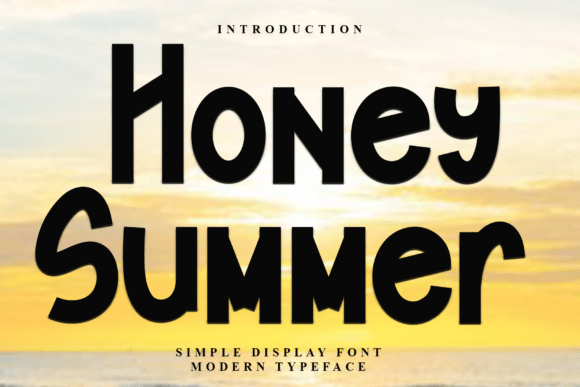
Honey Summer Typeface: Elevating Campaign Visuals with Soft, Distinctive Typography
The deadline for the summer product launch is in forty-eight hours. My desk is a chaotic landscape of mockups, color palettes, and half-finished social media grids. The creative brief asks for something "warm," "inviting," and "distinctly memorable." We have tried standard sans-serifs, but they feel too corporate. We’ve experimented with heavy display fonts, but they clash with the soft, organic imagery we’ve curated. Then, I open the asset folder and pull up Honey Summer. It’s not just another typeface; it is a strategic design choice that immediately shifts the tone of the entire campaign. This is how Honey Summer transformed our visual hierarchy from generic to gripping.
Why Honey Summer Defines Modern Display Fonts for Social Media
When you are scrolling through a fast-paced digital feed, your eyes need a reason to stop. Honey Summer provides that immediate visual anchor. As a Display font, it is engineered specifically for impact at larger sizes, yet it retains a level of sophistication that prevents it from feeling cheap or overly decorative. Its distinctive strokes give it a special character, making it meaningful and versatile for future use across various marketing channels. Unlike rigid geometric fonts, Honey Summer carries a human touch. It feels approachable, which is crucial when trying to build an emotional connection with an audience during a seasonal sale or a brand awareness push. In a world where attention spans are shrinking, a font that communicates warmth and personality instantly can be the difference between a scroll-past and a click-through.
Honey Summer for Instagram Stories and Reels Covers
Social media managers know that text on video is often viewed on small mobile screens for only a few seconds. Readability is paramount. Honey Summer excels here because its letterforms are open and clear, avoiding the cluttered details that get lost in low-resolution previews. When designing a Reel cover or an Instagram Story highlight, using Honey Summer allows you to overlay short, punchy headlines like "Summer Sale" or "New Drop" without sacrificing legibility. The soft, unique touch of the font complements the vertical format, drawing the eye downward naturally. It pairs beautifully with vibrant summer colors, ensuring that the message remains the hero while the typography sets the mood. For content creators building a branded template library, having a versatile display font like this ensures consistency across every post, reinforcing brand recognition one story at a time.
Enhancing Brand Identity with Honey Summer’s Unique Strokes
A strong brand identity relies on consistency, but it also requires distinctiveness. Honey Summer offers a nuanced personality that helps brands stand out in crowded niches. Whether you are running a digital ad set for an online shop or crafting an email banner for a webinar promotion, the font adds a layer of premium quality to the design. Its distinctive strokes give it a special character, making it meaningful and versatile for future use. This means you aren't just picking a font for one campaign; you are investing in a typographic voice that can grow with your brand. For entrepreneurs and small business marketing teams, this versatility is invaluable. You can use Honey Summer for logo-style text on packaging, as a decorative title on a landing page header, or even as a supporting element in editorial design. The font bridges the gap between playful and professional, allowing marketers to communicate trustworthiness without sounding stiff.
Honey Summer for YouTube Thumbnails and Video Content
In the competitive landscape of video content, the thumbnail is everything. Viewers decide whether to watch based on a split-second glance at a tiny image. Using a clean, high-contrast display font like Honey Summer ensures that your headline pops against any background. Because the font has a soft yet defined structure, it works well over both light and dark backgrounds, provided there is sufficient contrast. Imagine a course launch or a product teaser where the text needs to convey excitement without shouting. Honey Summer achieves this balance. It draws the viewer in with its elegant curves while maintaining enough structural integrity to be read quickly. For YouTubers and advertisers, this means higher click-through rates driven by clearer, more aesthetically pleasing visuals. The font’s ability to convey emotion through shape alone reduces the need for excessive graphic elements, keeping the thumbnail clean and focused on the core message.
Strategic Font Pairing and Versatility in Digital Campaigns
No single font does all the work, and understanding how to pair Honey Summer is key to effective design. While it shines as a headline font, it needs a reliable partner for body copy. A clean sans-serif font or a modern serif font creates a perfect counterpoint to Honey Summer’s distinctive style. This combination allows you to maintain visual interest in headers while ensuring that detailed information, such as pricing, dates, or terms and conditions, remains easy to read. When building a promotional content set, this pairing strategy ensures that your campaign looks cohesive across all platforms. From Pinterest pins to website banners, the contrast between the expressive display font and the neutral supporting type creates a sophisticated hierarchy. It guides the user’s eye from the hook (Honey Summer) to the details (the paired font), improving overall user experience and engagement.
Honey Summer for Email Marketing and Web Design Headers
Email marketing campaigns live and die by their subject lines and preview text. Using Honey Summer in the pre-header or within the email banner can significantly increase open rates by adding a touch of elegance and uniqueness. On web design projects, it serves as an excellent choice for hero section headers. It captures attention immediately and sets the tone for the rest of the page. However, designers must remember that Honey Summer is best used for short headlines, callouts, and decorative titles rather than long paragraphs. By reserving it for high-impact areas, you maximize its effectiveness. For brand managers overseeing digital ads, this targeted use ensures that the font enhances the message clarity without overwhelming the viewer. It acts as a visual cue that signals quality and care in the brand’s presentation.
Practical Considerations for Commercial Use and Licensing
Before integrating Honey Summer into client campaigns or merchandise, it is essential to review the technical specifications and licensing terms. Most premium fonts come with a variety of weights, styles, and sometimes alternates or ligatures that can add extra flair to specific words. Checking these included assets allows designers to create dynamic layouts without needing multiple font files. Additionally, verifying multilingual support is crucial if your campaign targets international audiences. Ensuring that the font supports the necessary character sets prevents awkward substitutions or missing glyphs in your final designs. Commercial font licensing varies, so always confirm that your usage rights cover the intended applications, whether it is for digital products, print materials, or broadcast media. Understanding these details upfront saves time and avoids legal complications later. For marketers, this due diligence ensures that the creative workflow remains smooth and compliant, allowing the focus to stay on the campaign’s success rather than administrative hurdles.
Honey Summer for Seasonal Promotions and Limited-Time Offers
Seasonal campaigns require a sense of urgency mixed with appeal. Honey Summer’s soft, unique touch makes it ideal for holiday sales, summer promotions, or limited-time event announcements. It feels festive without being cliché. When designing a promo graphic, using Honey Summer for the main offer text—such as "50% Off" or "Last Chance"—creates a visually appealing focal point. The font’s character adds a layer of personality that makes the promotion feel like an invitation rather than a demand. This subtle psychological shift can improve audience engagement and conversion potential. By leveraging the font’s inherent warmth, marketers can create a positive association with the brand during high-pressure sales periods. It turns a transactional moment into a branded experience, fostering loyalty and encouraging repeat purchases. Ultimately, choosing the right display font is about more than aesthetics; it is about communicating value and emotion effectively.