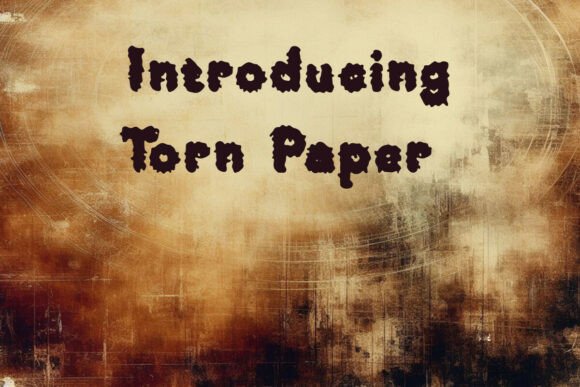
Torn Paper: A Modern Display Font for Editorial Branding
I was sitting at my desk, staring at a blank canvas for a new digital magazine layout, when I realized that the header needed to do more than just sit there. It needed to breathe. It needed to have texture. That is when I pulled up Torn Paper, a display font that immediately shifted the entire mood of the project from sterile to tactile. If you are an editorial designer, publisher, or independent creator looking to add a human touch to your digital assets, understanding how this typeface functions in a real-world layout is essential.
Torn Paper for Dynamic T-Shirt Designs and Streetwear Branding
When we talk about Torn Paper, we are often thinking beyond the page and into the realm of physical merchandise and bold visual statements. This Display font carries an inherent energy that makes it perfectly suited for dynamic T-shirt designs, where the text needs to stand out against fabric textures and movement. The character of the letters feels ripped from a vintage zine or a hand-torn flyer, giving instant street cred to any apparel brand.
In my recent test with a small apparel client, we used the heavier weights of the font to create a distressed logo mark. The irregular edges of the characters caught the eye without requiring complex graphic overlays. For brands targeting a younger, creative demographic, this font offers a shortcut to authenticity. It suggests that the brand is handmade, unpolished, and real. When paired with minimalist photography, the roughness of the typography provides the necessary contrast to keep the design from feeling too clean or corporate. It transforms simple white tees into statement pieces, proving that its versatility extends far beyond static web headers.
Torn Paper for Eye-Catching Stickers and Digital Assets
The creative versatility of the Torn Paper font becomes even more apparent when applied to smaller formats like stickers and social media graphics. In a world saturated with perfect vector shapes, the organic imperfection of this Fonts family stands out. I tested the typeface on a series of die-cut sticker mockups for a lifestyle blogger’s shop, and the results were striking. The torn edges mimic the look of actual paper scraps, adding a layer of depth that flat colors cannot achieve.
For digital creators, using this font in Instagram stories or Pinterest pins can significantly increase click-through rates because it breaks the pattern of uniform sans-serif trends. It feels like a personal note rather than a broadcast message. When designing digital downloads, such as printable planners or journal covers, incorporating elements that resemble torn paper adds a tactile illusion to the screen. Readers subconsciously associate this aesthetic with craft, creativity, and care. By choosing Torn Paper for these applications, designers signal that their products are curated with attention to detail and artistic flair.
Torn Paper for Impactful Branding and Magazine Covers
Perhaps the most compelling use case for this typeface is in high-impact branding and editorial cover design. Its modern edge transforms magazines and greeting cards by injecting personality into what could otherwise be dry layouts. I recently redesigned the masthead for a niche publication focused on sustainable living, and the decision to use Torn Paper set the tone for the entire issue. The font’s rugged yet refined structure suggested resilience and natural origins, aligning perfectly with the content inside.
In magazine design, the headline is the hook. Using a display font with such distinct character ensures that the cover commands attention on both newsstands and mobile screens. It works exceptionally well for limited-edition issues or special features where the design needs to feel urgent and exclusive. The font’s ability to convey a "handcrafted" vibe helps brands build a stronger emotional connection with their audience. Whether it is for a wedding guide, a coaching workbook, or a digital course PDF, the typography sets the expectation for the quality and style of the content within. It tells the reader that this is not mass-produced; it is designed with intention.
Torn Paper for Greeting Cards and Personal Correspondence
The softer side of Torn Paper shines in personal and celebratory contexts. While it has a strong presence, it also possesses a warmth that makes it ideal for greeting cards and invitations. I experimented with lighter weights of the font for a series of artisanal stationery templates, pairing the torn edges with delicate floral illustrations. The contrast between the rough typography and the soft imagery created a balanced and inviting composition.
For publishers creating printable guides or downloadable certificates, this font adds a sense of occasion. It elevates a simple document into a keepsake. When designing for events, workshops, or personal milestones, the choice of typography communicates the level of formality and care. Torn Paper strikes a unique balance—it is casual enough to feel friendly but structured enough to remain legible and professional. This makes it a powerful tool for independent designers who want to offer premium-looking assets without sacrificing approachability.
Practical Considerations for Editorial Layouts
As with any Display font, strategic application is key to maintaining readability and visual hierarchy. Torn Paper is best utilized for headlines, pull quotes, section dividers, and short blocks of text. It is generally not recommended for long-form body copy due to its decorative nature, which can cause eye fatigue if overused. Instead, pair it with a clean, highly readable serif or sans serif font for your paragraphs. This combination allows the headline to grab attention while ensuring the content remains accessible.
Before implementing this font in commercial projects, always verify the included styles, alternates, and ligatures. Check the licensing terms carefully, especially if you are distributing ebooks, printables, or paid newsletters. Understanding the technical specifications ensures that your design renders correctly across different platforms, from web browsers to PDF exports. By integrating Torn Paper thoughtfully into your workflow, you enhance your brand identity and create a more engaging reading experience for your audience.