Gloumy Font Review: A Smooth Rounded Typeface for Warm Brand Identities
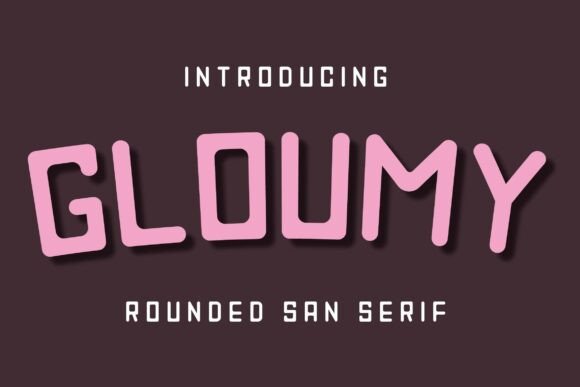
I opened a blank InDesign document at 2 a.m., staring at a half-finished brand board for a boutique skincare line. The client wanted "approachable luxury," but every standard sans serif felt too cold, and every script font felt too chaotic. That was the moment I decided to test Gloumy, a smooth and friendly rounded sans serif font designed to bring warmth and approachability to your design. It wasn’t just another typeface download; it became the anchor that tied the entire visual identity together.
As a brand designer, I spend most of my time judging fonts by how they behave under pressure—on tiny product labels, in massive hero headers, and everything in between. After running Gloumy through a realistic branding project involving logo drafts, packaging mockups, and social media layouts, here is my honest take on whether this Display font deserves a spot in your toolkit.
Why Gloumy Works as a Primary Logo Font for Lifestyle Brands
When we talk about Gloumy, we are talking about a typeface that prioritizes personality over rigid geometry. With clean curves, soft terminals, and a modern structure, Gloumy blends simplicity with a distinct human touch. In logo design, first impressions are everything, and Gloumy delivers an immediate sense of friendliness without sacrificing legibility.
I tested Gloumy on a logo concept for a local artisanal bakery. Usually, rounded fonts can look childish if not handled with care, but Gloumy’s moderate stroke weight keeps it grounded. It doesn’t scream for attention like a heavy display font, nor does it whisper like a delicate thin serif. Instead, it strikes a balance that works exceptionally well for brands targeting families, wellness enthusiasts, or creative communities. The rounded terminals soften the edges of the letters, creating a visual rhythm that feels inviting rather than authoritative. For entrepreneurs looking to build a brand identity that feels accessible yet professional, using Gloumy as a primary logo font sets the right tone from the very first glance.
How Gloumy Enhances Packaging Design and Product Labels
Packaging design is where typography meets physical reality. I placed Gloumy on several digital mockups for skincare jars and candle boxes, and the results were consistently strong. Because Gloumy is classified as a Display font, it shines when used in short phrases, ingredient highlights, or main product names. Its smooth aesthetic complements natural materials and minimalist packaging styles beautifully.
One specific advantage of Gloumy in packaging is its x-height and open counters (the enclosed spaces inside letters like 'e' or 'a'). This structural choice ensures that even smaller text elements remain readable on crowded label designs. When I compared it against other popular rounded fonts, Gloumy felt more refined. It lacks the overly playful quirks of some novelty typefaces, making it suitable for slightly more upscale products. Whether you are designing for handmade sellers on Etsy or a small business owner launching a new line of organic soaps, Gloumy provides the visual polish needed to stand out on a shelf. The font’s ability to convey warmth helps bridge the gap between the product and the consumer, suggesting quality and care before the customer even touches the item.
Using Gloumy for Social Media Graphics and Web Headers
In the digital space, attention spans are short, and visual hierarchy is critical. I integrated Gloumy into a series of Instagram posts and a website header for a creative studio portfolio. As a Display font, it performs best when given room to breathe. On social media graphics, I used Gloumy for headlines and call-to-action buttons. The rounded forms catch the eye effectively against busy background images, guiding the viewer’s focus without overwhelming the content.
For web design, Gloumy serves as an excellent headline font. However, I found it less suitable for long body text due to its distinctive rounded style, which can cause eye fatigue during extended reading. Instead, I paired it with a neutral sans serif font for paragraphs. This combination leverages Gloumy’s strength as an accent or decorative font while maintaining readability. The contrast between the soft, friendly curves of Gloumy and the structured lines of a supporting sans serif creates a dynamic yet harmonious layout. This pairing strategy is particularly effective for bloggers, publishers, and content creators who want their digital presence to feel modern and engaging.
Font Pairing Strategies: Combining Gloumy with Serif and Script Fonts
No typeface exists in isolation, and finding the right partner for Gloumy is key to unlocking its full potential. Since Gloumy is a smooth and friendly rounded sans serif font designed to bring warmth and approachability to your design, it pairs naturally with contrasting styles that add sophistication or elegance.
- With a Serif Font: Pairing Gloumy with a classic serif font creates a beautiful tension between modern playfulness and traditional reliability. This combination works wonders for editorial design, such as magazine covers or blog layouts, where you need to maintain authority while appearing approachable.
- With a Script Font: For a more romantic or artistic vibe, Gloumy complements handwritten or script fonts well. The geometric stability of Gloumy grounds the fluidity of a script, preventing the design from becoming too messy. This is ideal for wedding invitations, event branding, or personal portfolio sites.
- With a Neutral Sans Serif: As mentioned earlier, a clean, geometric sans serif is the safest bet for body copy. It allows Gloumy to take center stage in headings without competing for attention.
When building a modern typography system, consider the weights available in the Gloumy family. Using different weights can help establish visual hierarchy within your brand assets, from bold statements to subtle subheadings.
Practical Considerations: Limitations and Licensing for Commercial Use
While Gloumy is versatile, it is not a one-size-fits-all solution. Its rounded nature makes it less appropriate for formal corporate documents, legal contracts, or any context requiring strict neutrality. If you are designing for a law firm or a financial institution, you might find Gloumy too casual. Additionally, because it is a Display font, avoid using it for extensive blocks of text. It is best reserved for headlines, logos, quotes, and short phrases where impact matters more than volume.
Before incorporating Gloumy into final client work, always review the included styles and file formats. Check if the package includes multilingual support if your brand operates internationally. Furthermore, it is crucial to check commercial font licensing. While many designers use these fonts for personal projects, using them for client work, brand identity systems, merchandise, or print-on-demand products usually requires a specific commercial license. Ensuring you have the correct rights protects both you and your clients from legal issues down the line.
In conclusion, Gloumy is more than just a pretty typeface; it is a strategic tool for designers who want to infuse their projects with warmth and clarity. Whether you are refreshing a café visual identity or launching a new handmade shop brand, testing Gloumy in your workflow will likely reveal its value. It proves that a modern structure and soft terminals can coexist to create designs that are not only visually appealing but also deeply human.