Jelly Bubbles Typeface: A Playful Display Font for Modern Branding
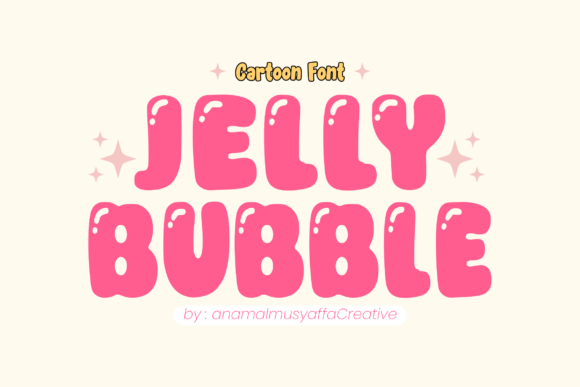
I remember staring at a blank Figma file, the cursor blinking mockingly on a white canvas. The client was a boutique skincare line focused on gentle, natural ingredients, and they wanted a logo that felt soft but not childish. They used words like "trustworthy," "fresh," and "delightful." I had tried several geometric sans-serifs, but they felt too cold. I had tried some elegant serifs, but they felt too heavy. Then I stumbled upon Jelly Bubbles. At first glance, it looked like a novelty toy, but as I began to test it, I realized this playful and contemporary Bubble font held a surprising amount of structural integrity. It wasn’t just fun; it was functional.
Why Jelly Bubbles Works for Boutique Brand Identity Projects
When you first download a creative font, there is always a moment of hesitation. Will it look tacky in print? Will it be illegible on mobile screens? With Jelly Bubbles, those fears vanished quickly because the typeface strikes a delicate balance between whimsy and professionalism. In my case, I applied it to a primary brand mark for a small artisanal soap company. The rounded edges softened the overall visual hierarchy without sacrificing readability. Unlike many display fonts that scream for attention with aggressive weights or chaotic kerning, these characters feel inviting. Each letter has a unique appeal, designed to strike a delicate balance between organic flow and precise geometry. This makes it an excellent choice for brands that want to appear approachable yet established.
The font’s personality is distinct. It doesn’t try to be serious, nor does it try too hard to be cute. Instead, it occupies a sweet spot that works beautifully for lifestyle brands, wellness products, and creative studios. When I placed the font on a simple business card mockup, the tactile quality of the letters seemed to translate even through the screen. The slight irregularities in the stroke widths give it a hand-crafted feel, which is crucial for businesses selling handmade or curated goods. It signals to the customer that care was put into the product, mirroring the care put into the design.
Jelly Bubbles for Packaging Design and Product Labels
Packaging is where typography truly earns its keep. For the same skincare client, we needed a label that would stand out on a crowded shelf. I tested Jelly Bubbles against various background colors, from pastel pinks to deep forest greens. The contrast remained crisp, and the bubble-like forms created a sense of volume and texture. Because it is categorized as a Display font, it shines when used in large sizes. On a 50ml jar label, the main product name in Jelly Bubbles became the focal point, while smaller details were handled by a clean sans-serif. This combination allowed the brand to maintain a playful identity while ensuring all regulatory text remained legible. The font’s ability to hold its shape under scrutiny made it a reliable partner in our packaging design workflow.
How to Pair Jelly Bubbles with Complementary Typefaces
No single font can do everything, and knowing how to pair Jelly Bubbles is key to a polished final result. Since this is a statement piece, it needs a supportive cast. In my project, I paired it with a minimalist sans-serif font for body copy. The neutrality of the supporting typeface allowed the bubbles to take center stage without creating visual noise. If you are working on a more editorial design project, such as a blog header or a magazine feature, pairing it with a modern serif font can add a layer of sophistication. The contrast between the structured lines of a serif and the fluid curves of Jelly Bubbles creates a dynamic tension that keeps the reader engaged.
Avoid pairing it with other decorative fonts. The risk of clashing styles is too high. Instead, let the bubble font be the hero. Whether you are designing social media graphics or website headers, maintaining a clear typographic hierarchy ensures that the message isn’t lost in the decoration. I found that using the bubble font for short phrases or keywords, rather than long paragraphs, maximized its impact. This strategic use of space and weight helps guide the viewer’s eye naturally through the content.
Jelly Bubbles for Social Media Graphics and Digital Templates
Digital platforms demand quick engagement. On Instagram or Pinterest, users scroll rapidly, so your typography needs to grab attention instantly. Jelly Bubbles excels in this environment. Its bold, rounded forms are easily readable even at small thumbnail sizes. I created a series of quote cards for the client’s marketing campaign, using the font for the punchlines. The playful nature of the typeface encouraged shares and saves, as it aligned perfectly with the brand’s lighthearted tone. When designing digital templates, consider how the font scales. The vector-based nature of these fonts ensures that whether it’s on a mobile story or a desktop banner, the quality remains sharp. This versatility is essential for creators who need consistent branding across multiple channels.
Technical Considerations for Commercial Use
Before committing to any typeface for a client project, I always check the technical specs. For Jelly Bubbles, the included styles and alternates provided enough variety to keep the design fresh without needing to hunt for additional assets. Checking for multilingual support is also vital if the brand operates internationally. While the visual charm is obvious, the underlying structure must be sound. The font files were well-organized, making it easy to install and manage within Adobe Creative Cloud. Understanding the commercial font licensing terms is equally important. Ensuring that the license covers the intended use cases—such as merchandise, web usage, and print runs—protects both the designer and the client from legal issues later on.
Testing the font before finalizing the brand system is non-negotiable. I printed out various wordmarks and placed them in different lighting conditions. I checked how the ink spread on paper stock versus how it rendered on glossy labels. These practical steps revealed minor adjustments needed in spacing and sizing. By taking the time to observe the font in real-world applications, I could fine-tune the layout to ensure maximum impact. This diligence transforms a good design into a great one.
Jelly Bubbles for Event Posters and Print Marketing Materials
Print materials offer a tactile experience that digital cannot replicate. For a local pop-up event, we used Jelly Bubbles on flyers and posters. The font’s vibrant energy translated beautifully to physical paper. We experimented with different ink colors, finding that bright hues enhanced the playful mood, while monochrome black offered a sleek, modern twist. The font’s ability to adapt to different color palettes made it a flexible tool for our print marketing strategy. Whether it was a ticket stub or a large format poster, the typeface maintained its character. This consistency is what builds brand recognition over time.
Final Impressions on Using Jelly Bubbles in Professional Workflows
Using Jelly Bubbles in a real branding project taught me that playfulness doesn’t have to come at the cost of professionalism. It is a versatile Display font that can elevate a brand’s visual identity when used with intention. From logo design to packaging, social media graphics to editorial layouts, its unique appeal lies in its ability to connect emotionally with the audience. As a graphic designer, having access to such a well-crafted typeface expands the range of stories we can tell. It encourages experimentation and brings a sense of joy to the design process. For anyone looking to inject personality into their projects, this font is a valuable addition to any library of Fonts.